

New to composting? You’ve come to the right place! This beginner’s guide to composting has everything you need to get started with composting at home. Whether you are looking to learn how to make compost, make your own DIY compost bin, have questions about how to get your compost hot, the decomposition process, and what materials are best for composting… you’ll find all these composting tips inside!
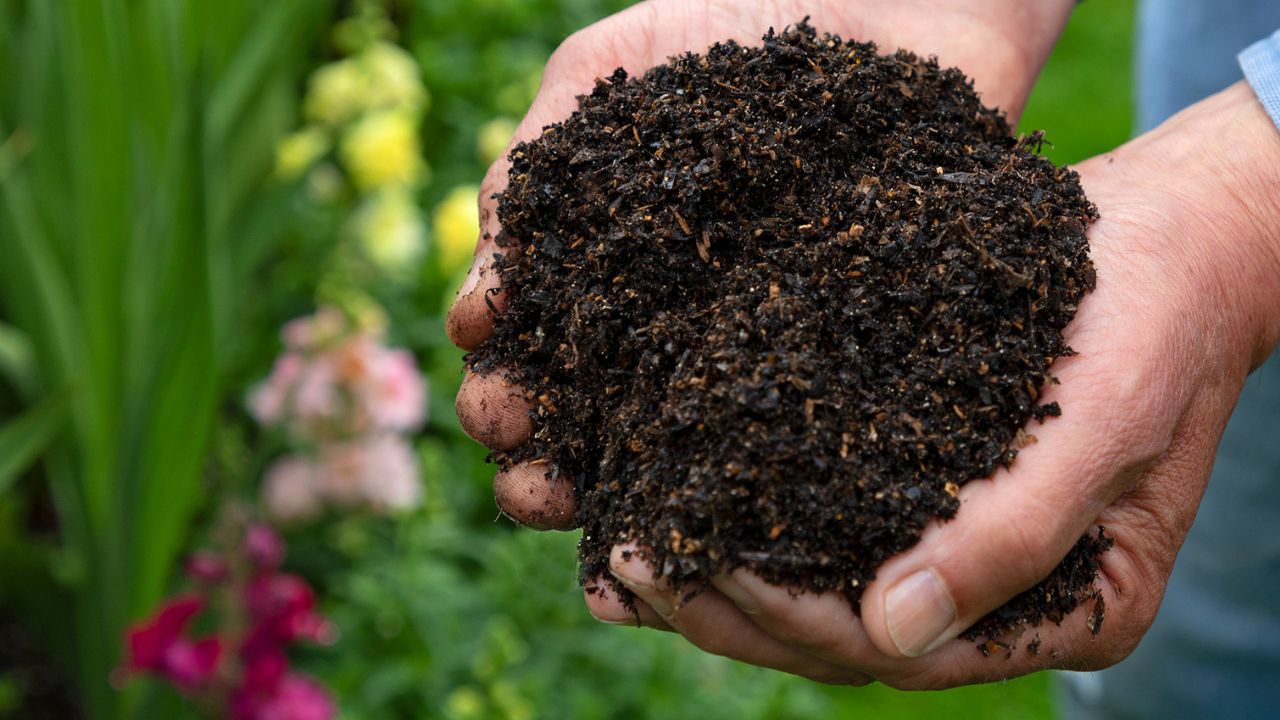
What IS compost?
Compost is decomposed organic material that serves as a soil amendment and fertilizer. It is created by combining various organic wastes, such as food scraps, leaves, grass clippings, and manure, and allowing them to decompose through microbial activity.
The process involves maintaining proper moisture, aeration, and temperature to facilitate the breakdown of materials into a nutrient-rich substance that can improve soil health and fertility. Another term for compost is “dark gold” for its multipurpose use in the garden.
How is compost created?
Now, the thing is, compost is all about the microbes - those hard-working little critters that do all the heavy lifting to break down the materials and turn them into that rich, dark gold we call finished compost. And just like us, those microbes need the right fuel to keep them going.
You see, they require protein and carbohydrates, plain and simple. The nitrogen-rich materials like grass clippings, manure, and food scraps provide the protein, while the carbon-rich materials like leaves, straw, and cardboard give them the carbohydrates.
It's not rocket science, really. Just think of it like baking bread - you need the right ingredients in the right proportions to get that perfect loaf. With compost, it's the same deal. The microbes are like your little compost bakers, and you've got to make sure they've got everything they need to do their job.
Get the protein and carbs balanced, and those microbes will get to work, heating up your pile and transforming those materials into black gold in no time. It's all about understanding the science behind what makes those microbes tick. Once you've got that down, the rest is just a matter of giving them the right home and letting them do their thing.
The rest of this guide will go into detail about all the pieces you need to create compost!
Creating the right environment: the compost bin!
One of the first things you should do is make sure you have the right kind of place to create your compost. After nearly 40 years of making compost in Alaska, I’ve really honed in on the perfect compost set-up!
What you need: Some kind of space for your bins. I recommend placing this somewhere convenient, where you are likely to use it. Not only that, but shoving your compost container in the back corner of your yard where rats or other pests are most likely to hang out is how you attract said pests. Compost doesn’t have to be stinky! If you follow this guide right, you won’t have to worry about hiding your compost somewhere far away.
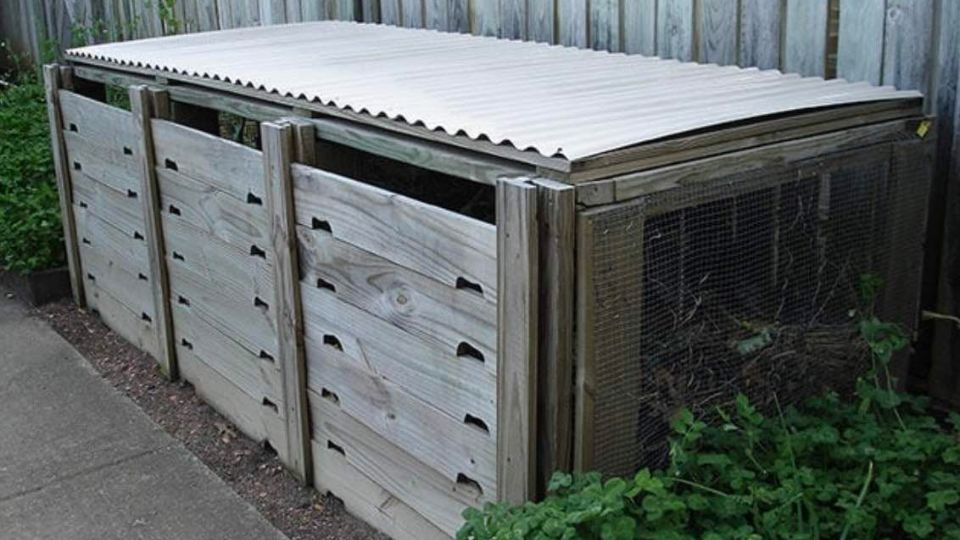
Learn how to Get Finished Compost in 6 Weeks With These DIY Compost Bins
Make compost with my proven method
When I first started gardening, I knew that I needed compost. It was February (in Alaska, keep in mind!), and I wanted compost in my garden that summer. I made calls and checked out books from the library. Everything was telling me that I needed to wait YEARS to make compost. Fortunately, I did not accept this answer and kept on digging until I stumbled upon the works of Sir Albert Howard. His pioneering composting process, developed in the 1920s, became my guiding light. Inspired by his teachings, I began experimenting and soon discovered the secrets to hot composting. Now, finished compost takes me just 6 weeks!
Learn how to make compost with my hot composting method
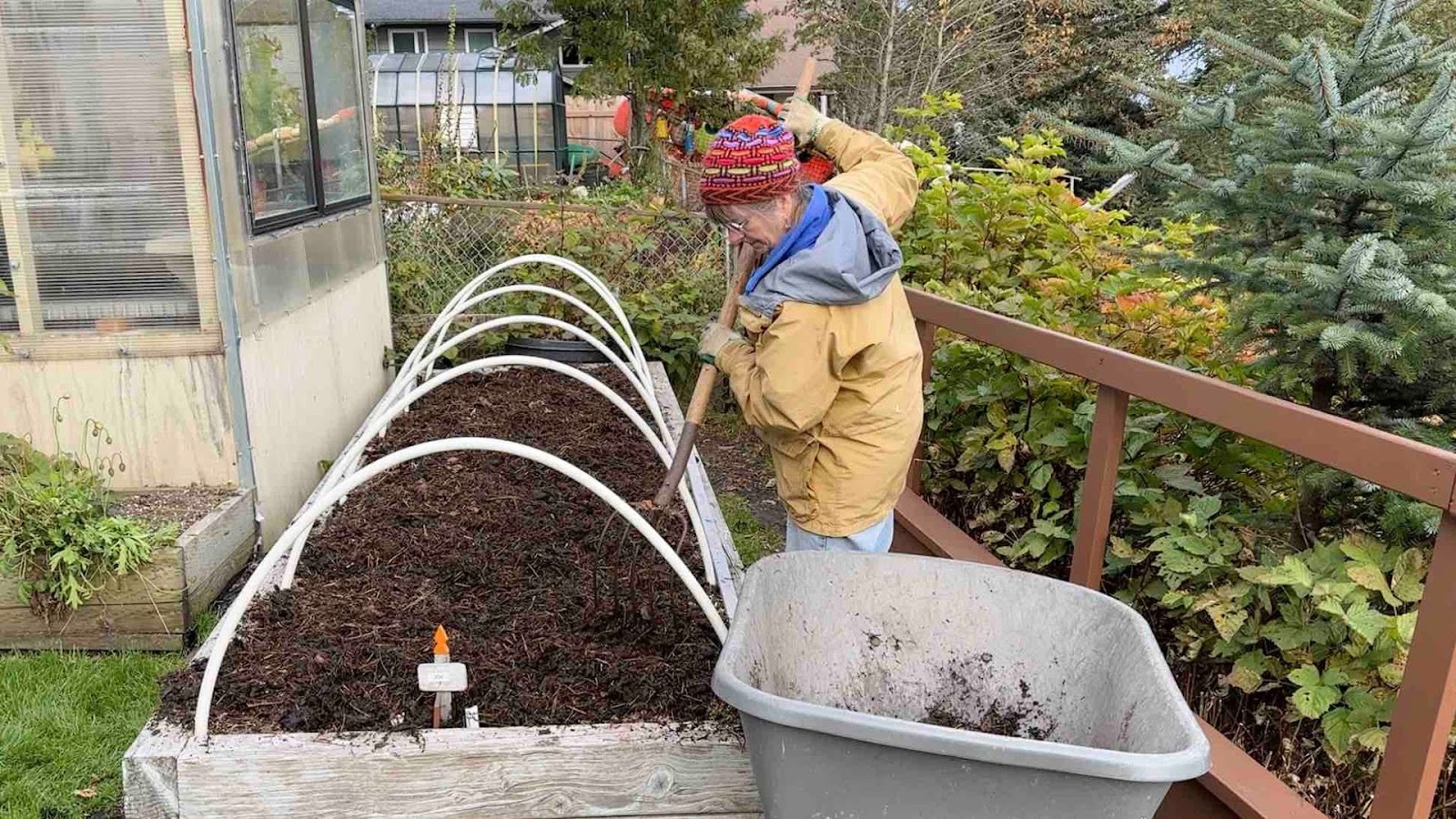
Adding the right ingredients
Fortunately, it’s pretty easy to find the right ingredients for compost– from your own kitchen and yard! There are so many compostable materials hanging out or being misdirected to the landfill. Part of composting is doing the earth a major favour and returning its materials to the source. You can use kitchen scraps, yard waste such as grass clippings or dried leaves, even your own hair!
Check out 25 Materials for At Home Composting
Help your compost get HOT by turning it often
Turning your compost is the key to finishing it in 6 weeks. It helps with air circulation, but also maximizes the effectiveness of all the little microbes inside. Since you’re looking for your compost to reach 160 degrees Fahrenheit (70 degrees celsius), I highly recommend using a long-stemmed compost thermometer. It’s crucial to reach temperatures this high, in order to properly break down all organic matter, kill weed seeds and pathogens, and ensure it is safe to use.
Read Hot Composting Tips from Alaska here

By following my recommended turning schedule, hot compost is possible no matter the time of year– even in Alaska! Read more about winter composting here.


