

One day your lettuce looks healthy and full of promise to be the best salad ever.
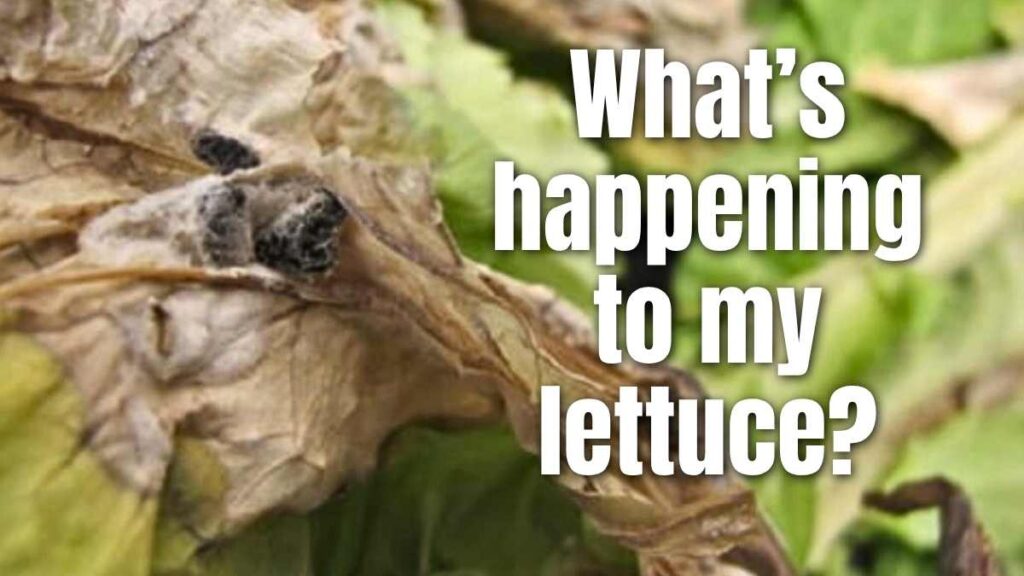
But a few days later, the lower leaves turn yellow. The stem becomes soft. Then the whole plant collapses.
Or worse yet, you go to pick some lettuce, and the whole head breaks off.
Sound familiar?
I've had it happen, too. And actually, it's kind of shocking!
If you'd rather watch than read, here's the video where I show exactly what happened—and the simple mistake that often causes it.
Watch the video here:
Now let's take a closer look.
The Hidden Cause of Lettuce Crown Rot
One of the most overlooked causes of lettuce failure is planting the seedling too deeply.
The crown—the short stem where the leaves meet the roots—should sit right at the soil surface.
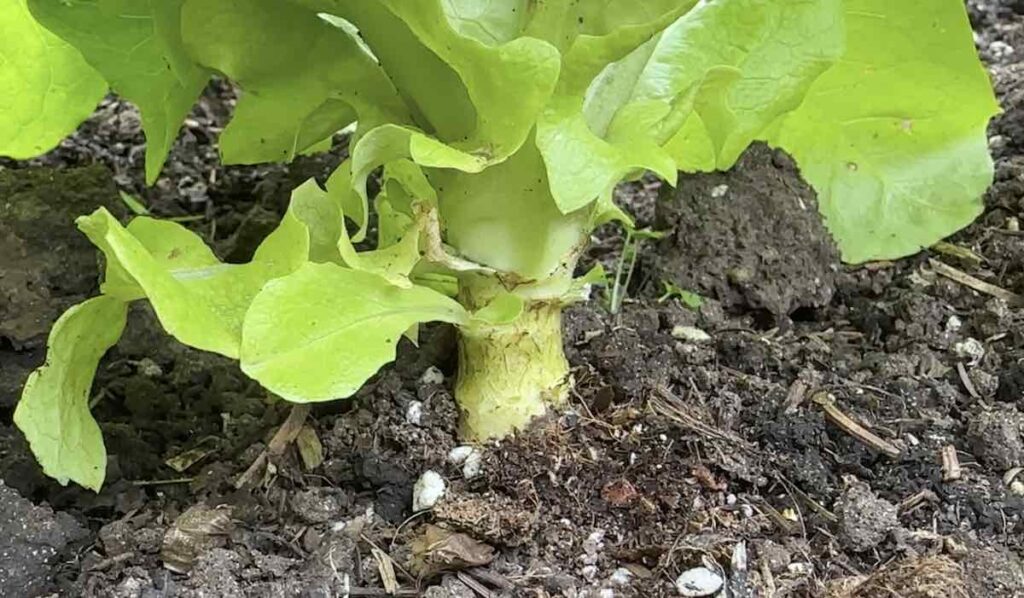
When that crown is buried, it stays damp after watering or rain. That's exactly the kind of environment soil-borne fungi love.
Once fungi such as gray mold (Botrytis) invade the crown, the damage usually spreads quickly. By the time the plant collapses, it's often too late to save it.
Signs Your Lettuce Has Crown Rot
Watch for these warning signs:
- Lower leaves turning yellow or brown
- A soft, mushy stem at the base
- Plants that suddenly wilt or topple over
- Rot where the stem meets the soil
If you notice these symptoms, take a close look at the crown before assuming insects, fertilizer, or old seed are to blame.
How to Prevent Lettuce Crown Rot
Fortunately, this is one gardening problem that's often easy to prevent.
Here are a few simple steps:
- Plant lettuce with the crown at soil level—not below it.
- Plant on a slight mound so water drains away from the crown.
- Avoid overwatering.
- Make sure the soil drains well.
- Give plants enough space for good air circulation.
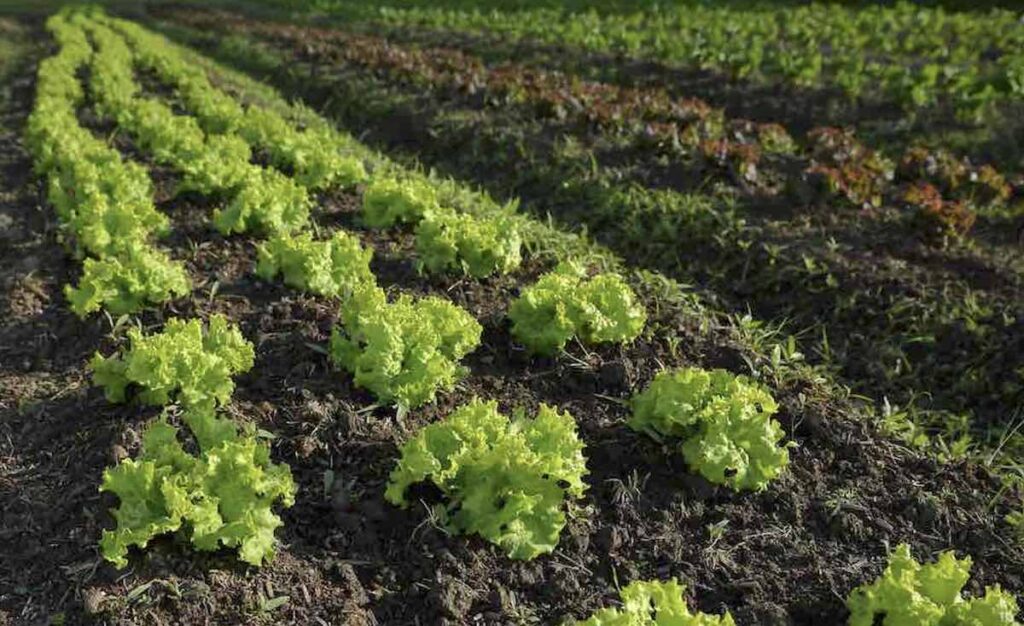
Here in Kodiak, Alaska, we have plenty of cool, damp weather. I've found that giving lettuce a little extra room between plants makes a noticeable difference.
It's Not Just Lettuce (lavender, really?)
Lettuce isn't the only plant that suffers from crown rot.
Several other garden favorites can develop the same problem if the crown stays too wet or is planted too deeply.
These include:
- Strawberries
- Lavender
- Asparagus
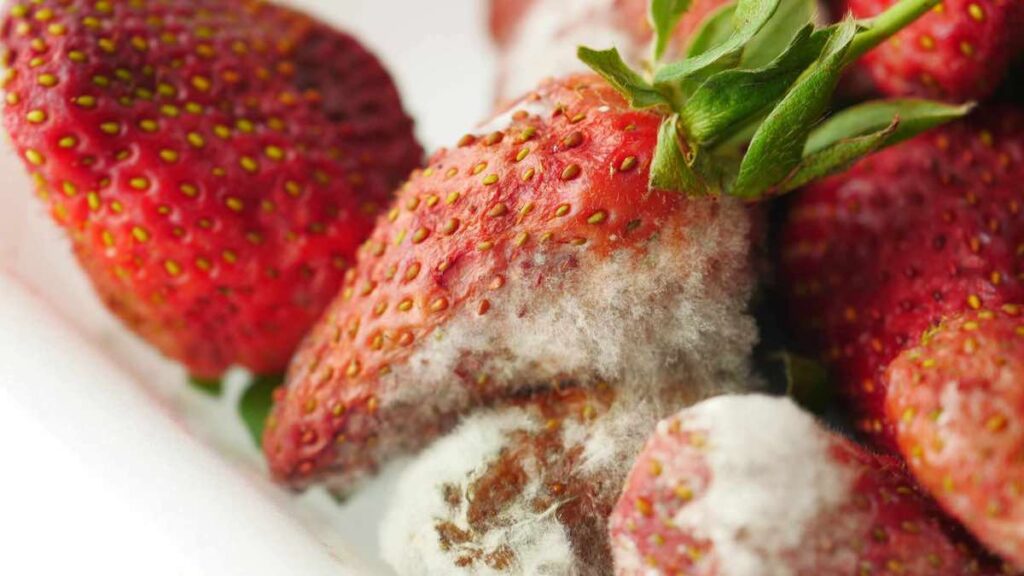
If you've ever wondered why a healthy-looking plant suddenly died, check the crown first.
Sometimes as little as half an inch can mean the difference between harvesting a beautiful salad and pulling up a dead plant.
One Small Change Can Save Your Crop
So before you blame the weather—or yourself—take a look at the crown.
Sometimes the smallest gardening mistakes have the biggest consequences.
And sometimes, they're also the easiest to fix.
Have you ever had a healthy lettuce plant suddenly collapse? I'd love to hear about your experience. Leave a comment below—I read and reply to every one.
Until next time, keep your hands in the dirt and your eyes on the stars.
Thanks for being here... for being you,

Let’s Keep the Conversation Growing...
Join my newsletter: https://success.gardenerscoach.com/newsletter
Follow me on Instagram: instagram.com/theupbeetgardener
Find me on Facebook: https://www.facebook.com/theupbeetgardener
Explore my free garden resources: https://success.gardenerscoach.com/library
Shop my trusted gear: https://theupbeetgardener.com/resources/
Browse my courses: https://success.gardenerscoach.com/compost-academy
Join the UpBeet Gardener community: https://success.gardenerscoach.com/tug
Purchase my book, Chicken Soup for the Gardener’s Soul: https://geni.us/chicken-soup-gardeners
Take my “What’s your composting style?” quiz: https://success.gardenerscoach.com/compost-quiz
Watch the PBS documentary about our garden: https://youtu.be/OIXYaZy3qag


